Two years is one of the most common gaps we see when patients come back to Mint Hill Smiles after a stretch of missed appointments. Sometimes it was the pandemic. Sometimes it was a move or a job change or a lapse in insurance. Sometimes it was cost, or anxiety, or just life getting complicated and the dental appointment being the thing that kept getting pushed.
Whatever the reason, you are not alone and you are not in as much trouble as you might be imagining. What actually happens in two years without dental care is real but it is also manageable, and this post is an attempt to give you an idea of what to expect when you come back in.
What tends to happen in two years without professional cleanings
Plaque, the soft bacterial film that forms on teeth, hardens into tartar within a day or two if it is not removed by brushing. Tartar cannot be removed by brushing or flossing at home. It requires professional scaling to get off. In two years, tartar has been building in the areas your toothbrush misses, particularly below the gumline and between the teeth, and it has been providing a surface for bacteria to accumulate.
This bacterial accumulation is what drives gum disease. The toxins produced by bacteria irritate the gum tissue and trigger an inflammatory response that, over time, breaks down the bone and tissue supporting the teeth. Two years is long enough for early gum disease to develop in patients who did not have it before and for existing gum disease to progress.
You may or may not have noticed signs of this. Bleeding when you brush or floss is the most common early indicator. Gum tenderness, recession, or a feeling that the gums are puffier than they used to be are others. Some people have significant gum disease with very few symptoms, which is part of why professional monitoring matters.
What tends to happen with cavities in two years
Cavities that were small enough to be invisible two years ago may now be large enough to require more than a simple filling. This depends on a lot of individual factors including your diet, your saliva chemistry, how thoroughly you brush, and whether you have areas of your mouth that are particularly difficult to keep clean. Some people go two years without developing a single new cavity. Others find several.
The important thing to understand is the difference in treatment complexity between a small cavity and a large one. A small cavity caught early is a straightforward filling that takes less than an hour, costs a few hundred dollars, and preserves most of the natural tooth. A cavity that has had two years to progress may have reached the inner pulp of the tooth, which means a root canal rather than a filling, followed by a crown to protect the treated tooth. The difference in cost and treatment time between those two scenarios is substantial.
What tends to happen with existing dental work
Fillings, crowns, and other restorations do not last forever. Over time they can crack, the margins can break down, and decay can develop underneath or around them. Two years without professional monitoring means two years of wear on existing restorations without anyone checking whether they are holding up. Old fillings that were doing fine two years ago may now need to be replaced or upgraded to a crown.
Teeth that were cracked or under stress two years ago may have progressed to fractures that change the treatment picture entirely. Grinding and clenching habits that were manageable two years ago may have done more damage in the interval.
What an honest assessment sounds like
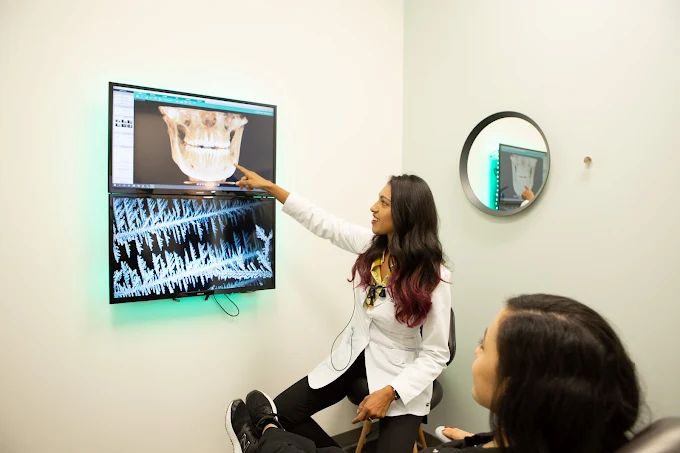
Most patients who come in after two years are in one of two categories. The first is patients who have been relatively consistent with home care, do not have a history of significant dental problems, and find at their appointment that things are in reasonable shape with a handful of small things to address. This is more common than most anxious patients expect.
The second is patients who had some things on the treatment list two years ago that got deferred, who have risk factors for decay or gum disease, or who have had symptoms they have been managing at home. For these patients the appointment tends to reveal a clearer picture of where things stand, and while that picture may be more complex than the first category, having it is still better than not having it.
In both cases, the path forward exists. Treatment can be sequenced over time if needed. Costs can be spread out with Brush365 or financing. Our team builds a plan that is realistic for where you are, not just where you would ideally be.
The cost of waiting versus the cost of coming in
The most important practical point about a two-year gap is that coming in now is almost always less expensive than waiting another year. The dental problems that exist right now will not get smaller on their own. Every month of additional delay is a month of additional progression, and the treatment required at the end of that progression is more involved and more costly than what is required right now.
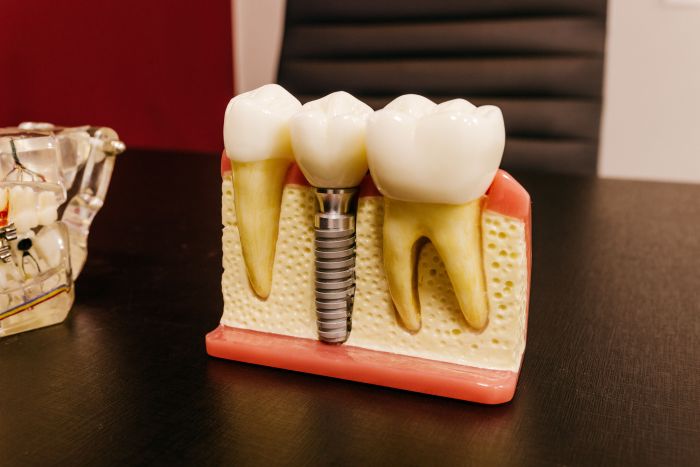
A cleaning and exam costs a fraction of a crown. A crown costs a fraction of a root canal and crown. A root canal and crown costs a fraction of an extraction and implant. The entire cost structure of dentistry rewards catching things early and penalizes waiting.
What to do now
Call us. Tell us how long it has been if you feel comfortable doing so. Come in, let us take a look, and find out exactly where things stand. Whatever we find, we tell you clearly and give you a realistic path forward that works for your situation.
Call (704) 323-7577 or visit minthillsmiles.dentist to schedule. We are at 11300 Cresthill Drive, Suite 105, Mint Hill, NC 28227. We welcome patients returning after any length of time, without judgment and without lectures.