Somewhere between thirty and forty percent of adults experience some level of dental anxiety. That is not a small number. It means that roughly one in three people you know has some version of dental anxiety makes them put off dental appointments, white-knuckle their way through them, or avoid going altogether. It is one of the most common forms of situational anxiety there is, and it has real consequences for people’s long-term health.
We want to talk about why dental fear is so common, because we think understanding where it comes from makes it easier to address, and because patients who feel less ashamed of their anxiety are more likely to actually come in and get the care they need.
Where dental anxiety comes from
Dental anxiety almost always has a specific origin. It is not usually a vague, general unease. When we talk with patients about it, the stories tend to fall into a few clear categories.
The most common is a painful or frightening experience during childhood, often before modern anesthetic techniques were what they are today, or with a provider who did not take the time to explain what they were doing or check in during the procedure. Children are perceptive and they form strong associations. A single difficult dental experience at age seven can shape how someone feels about dental appointments for the next thirty years.
The second most common origin is a provider who was dismissive. Patients who were told their pain was not real, who were rushed through procedures without explanation, or who felt judged for the state of their teeth, learn quickly that dental offices are not safe places. That lesson sticks.
The third category involves the sensory environment itself. The sound of the drill. The smell of the office. The physical vulnerability of being reclined in a chair with instruments in your mouth and a limited ability to communicate. For people who have experienced any of the above, these sensory details become triggers even before anything has actually happened.
All of these responses make complete sense given the experiences that created them. Dental anxiety is not irrational. It is a learned association between a specific environment and a specific type of harm, and the brain is doing exactly what it is designed to do by trying to protect you from repeating that experience.
What most dental offices do not help with
The problem is that most dental offices are designed around clinical efficiency rather than patient comfort. The layout, the sounds, the pacing, the way procedures are explained (or not explained) before they happen, the way a dentist and their assistant communicate over a patient rather than with them, all of these things can reinforce the anxiety rather than reduce it.
A lot of dental offices also do not take dental anxiety seriously as a clinical matter. They treat it as a personality issue the patient needs to manage rather than as a real and common barrier to care that the practice has a responsibility to address. Patients who say they are nervous are often told “you will be fine” and moved along. That dismissal does not help. In many cases it makes things worse.
What we built differently at Mint Hill Smiles
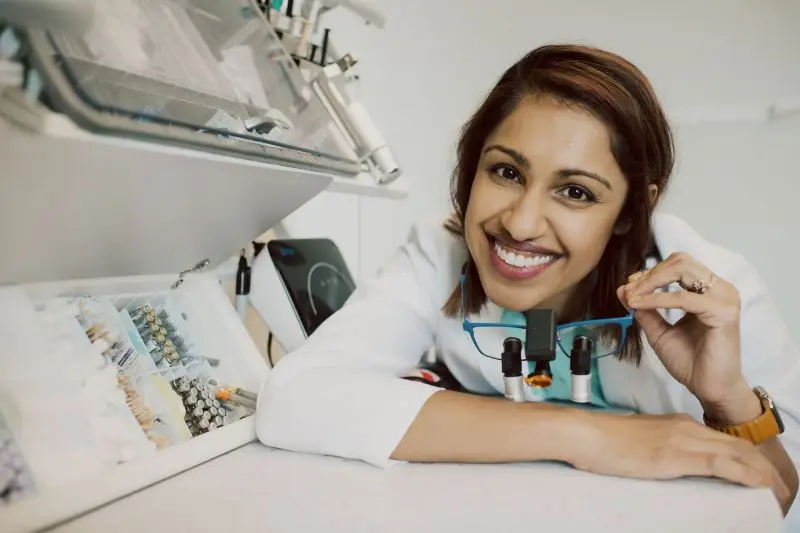
When Dr. Kamodia and Dr. Marvelli designed this practice, they made a decision that patient comfort was a clinical priority, not an afterthought. The entire physical environment, the way the team is trained, and the specific tools and options we put in every treatment room were chosen with this in mind.
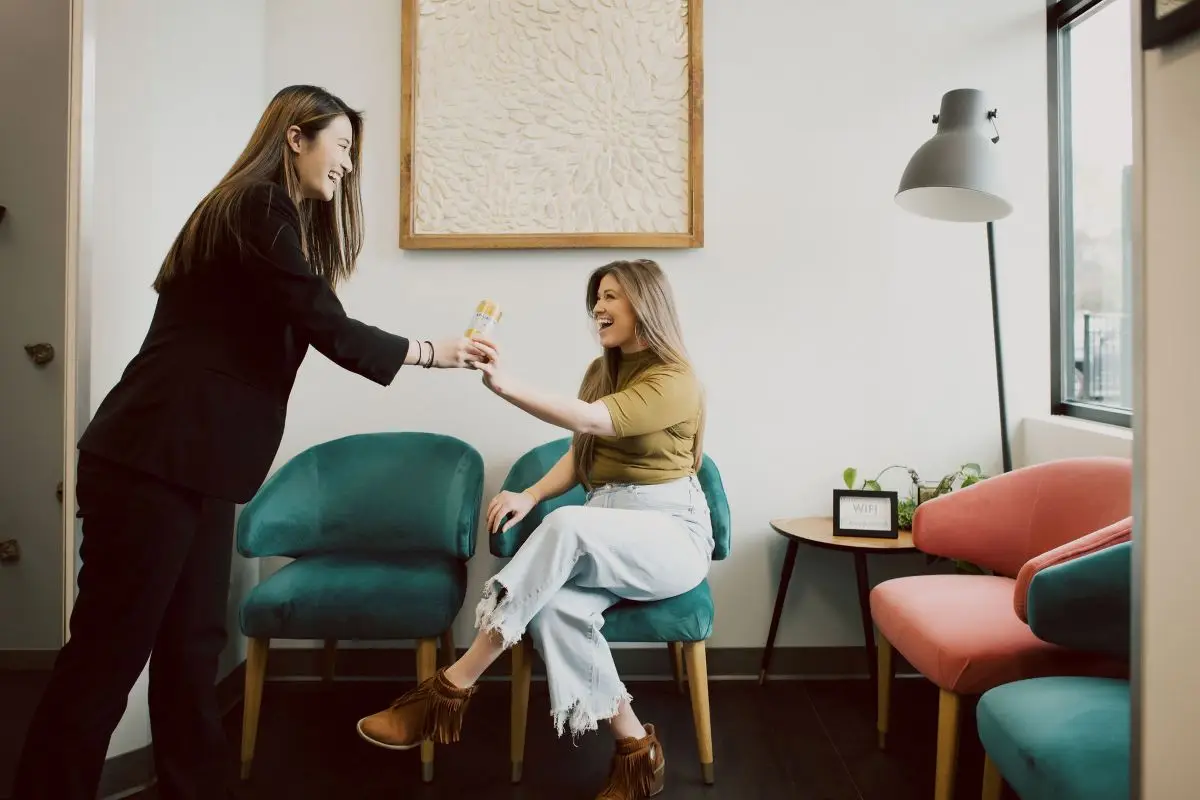
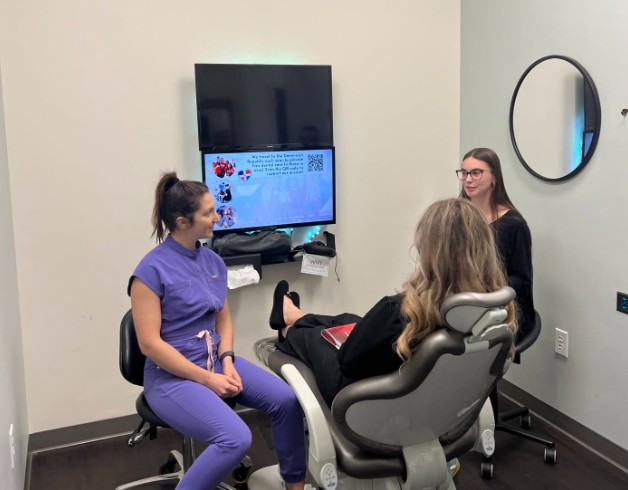
Every suite has a ceiling-mounted TV streaming Netflix. Patients choose what they watch and our team works around that, not the other way around. We have a full comfort menu that includes ergonomic neck pillows, warm plush blankets, weighted blankets that activate the calming response many people associate with deep pressure, noise-canceling headphones, and lip moisturizer for long appointments. We offer nitrous oxide for patients who want additional help relaxing during procedures. These options are offered at every appointment, not just for patients who ask.
More important than any of these tools is the way our team is trained to communicate. Every team member explains what they are doing before they do it. Every team member checks in during procedures rather than assuming silence means comfort. Every patient is told at the start of their appointment that they can raise their hand at any point to pause everything, for any reason, no questions asked.
What this looks like in practice
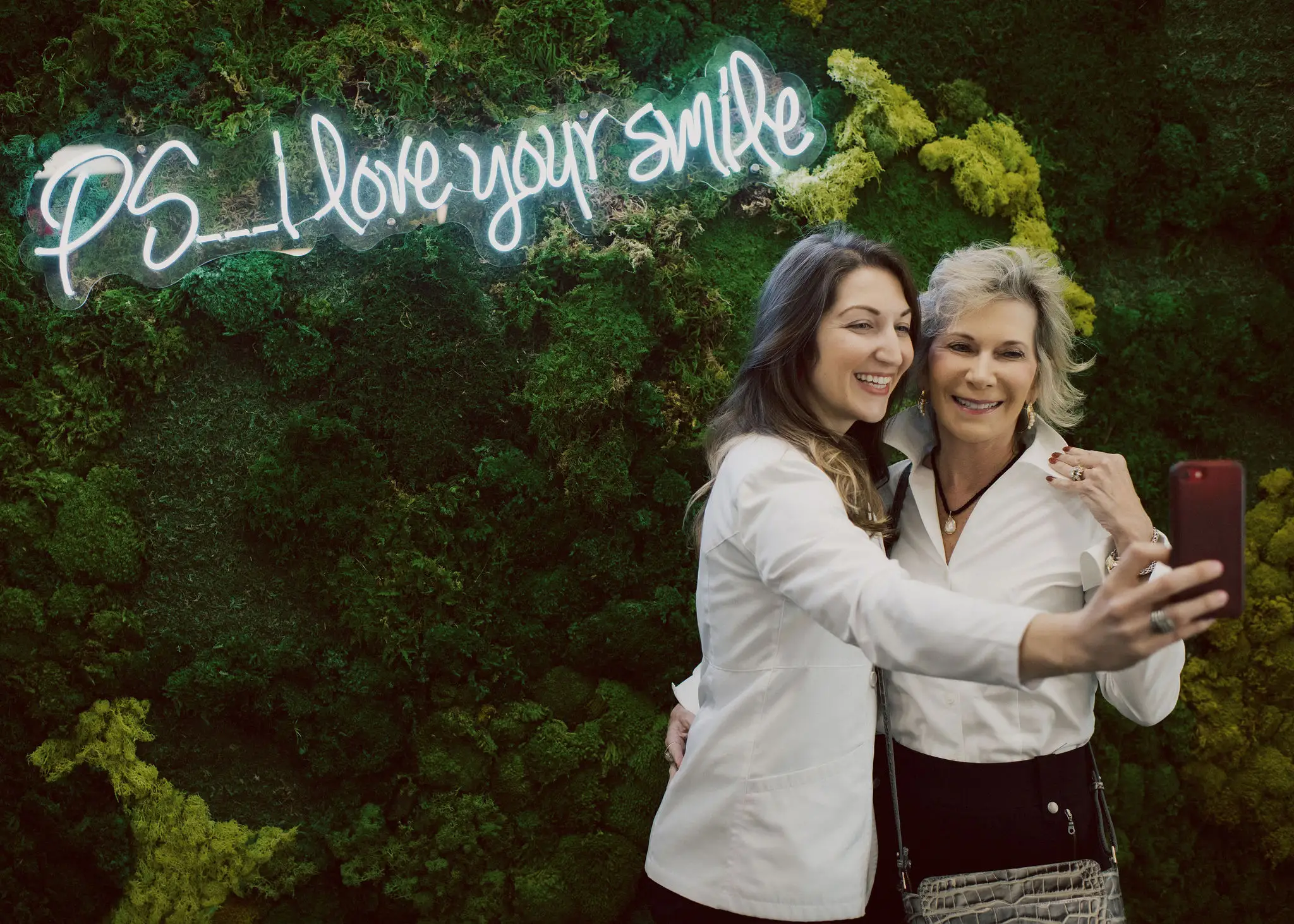
We have patients who came to us after ten or fifteen years without dental care because they could not face going anywhere. Patients who cried in the parking lot before their first appointment. Patients who called us three times before they could bring themselves to actually book. They are now regular patients who come in every six months and who have recommended us to their friends and family members with the same struggles.
That is the outcome we are building toward with every anxious patient who walks through our door. Not just the completion of a dental appointment but a different relationship with dental care altogether.
If any part of what you have read here sounds familiar, we hope you will call us. Tell us you are nervous. That is all you need to say.
Call (704) 323-7577 or visit minthillsmiles.dentist to schedule. We are at 11300 Cresthill Drive, Suite 105, Mint Hill, NC 28227.