Most families put this off for years, not because they’re happy with the arrangement but because switching feels like a lot of admin. Three sets of records, three offices to cancel, insurance to sort out, and the worry that you’ll lose your history and start from scratch.
It’s less work than it looks. Most of it is a couple of phone calls.
Your records belong to you
This is the part people are most unsure about, so it’s worth starting here.
You have a legal right to a copy of your own health records, including dental records and X-rays, and the same right for your children’s. Your old dentist can’t refuse because you’re leaving. They can take a short time to process the request and, in some cases, charge a reasonable fee for copies, but they have to provide them.
In practice, the easiest route is usually to have the records sent straight from the old office to the new one. You sign a release form and the records travel across directly, so you don’t have to collect anything.
The US Department of Health and Human Services sets out your right to access your health records if you want the details.
What’s worth transferring
Recent X-rays. The most useful thing to move. If they’re recent enough, we may not need to take new ones, which saves time and a small amount of radiation.
Treatment history. Fillings, crowns, root canals, extractions, gum treatment. Especially anything planned but not yet done.
Notes on anxiety or special needs. If a child needs extra time, or an adult had a bad experience, that’s useful context to have before the first appointment rather than discovering it in the chair.
Orthodontic records if anyone is mid-treatment with braces or aligners. Switching during active orthodontic treatment is possible but needs more coordination, so mention it when you call.
What doesn’t move
Some things need to be redone at a new practice no matter what.
The new dentist will want their own exam and their own look at everyone’s gums and bite. That isn’t distrust of your old dentist. It’s that we can’t take responsibility for a mouth we haven’t examined.
If records are old or incomplete, new X-rays may be needed. And a treatment plan from your old office is a starting point, not a commitment. We’ll tell you if we agree with it and say so plainly if we don’t.
Insurance is usually simple
Most dental insurance plans let you use any dentist in their network, and switching doesn’t need permission from the insurer. Some HMO-style dental plans do assign you to a specific office, and those need a call to the insurer to change your assigned dentist before the first visit.
When you book, give us the insurance details for everyone and we’ll check benefits before the appointment. You can see how we work with insurance and which plans we accept.
If some of the family is insured and some isn’t, that’s common too. Our Brush365 membership plan is per person, so you can use it for the members who aren’t covered.
Booking everyone at once
The point of moving to one practice is to stop doing three separate trips.
When you call, tell the front desk who’s coming and roughly when you’re free. We’ll try to book you back to back so it’s one visit and one afternoon off rather than three. Every household is different, so just call and we’ll work it out.
Reading what your first visit involves ahead of time helps too, especially if anyone is nervous.
Children and switching
Children usually handle a new dentist better than parents expect, as long as the first visit is relaxed.
Tell them in advance, keep it matter of fact, and avoid promising that nothing will hurt. That promise tends to make children suspicious. Let us do the explaining in the chair. We show them each tool before using it, and that does more than any reassurance at home.
If a child has had a bad experience somewhere else, tell us when you book. It changes how we pace the first appointment.
When it’s worth switching mid-treatment
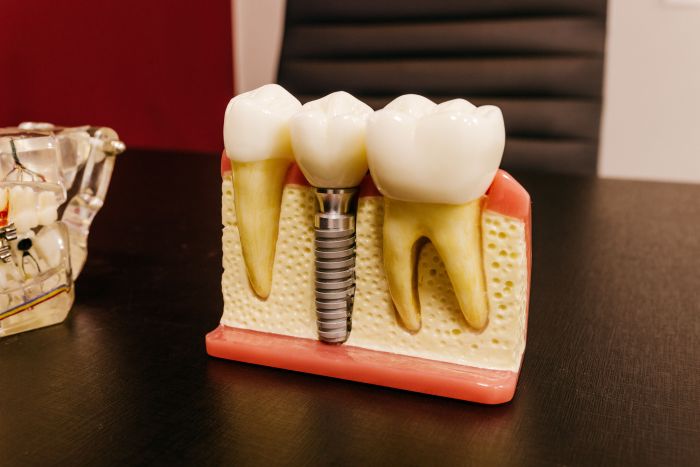
Generally, finish what’s already in progress if you can. A crown that’s been prepared, a root canal that’s been started or an implant that’s healing is easier to complete where it began.
The exception is when you’ve lost confidence in the plan. Then a second opinion before going further is reasonable, and we’re happy to give one.
Why one practice for everyone
Convenience is the obvious reason. The bigger one is that we see patterns across a household that nobody spots when records sit in different buildings. Grinding, gum problems and cavity risk all run in families, and a family dentist who sees everyone can catch them earlier.
Call (704) 323-7577, tell us who’s coming, and ask us about getting your records sent across.