If you have been quoted wildly different prices for a dental implant, you are not imagining it. One office says $1,500. Another says $6,000. A billboard off the highway says $399. They cannot all be describing the same thing, and they are not.
Here is the honest version, the one we give patients who sit down with us in Mint Hill and ask what this is actually going to cost.
What you are actually paying for
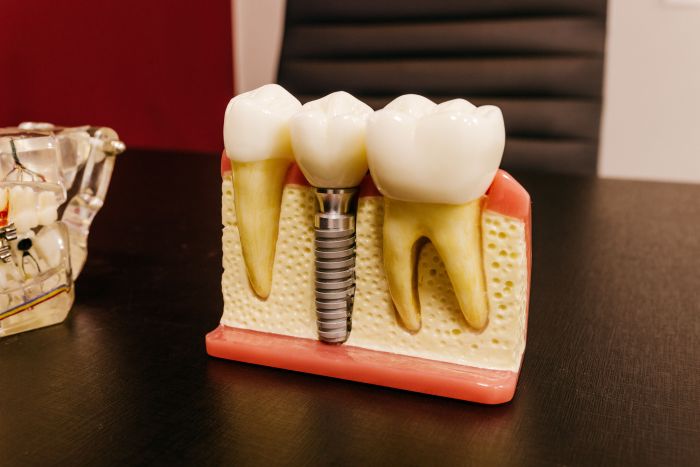
A dental implant is not one thing. It is three: the implant post (the titanium screw that goes into the jaw), the abutment (the connector), and the crown (the tooth you see and chew with). When an ad says $399 or $1,500, it is almost always quoting one piece, usually just the post. The full tooth, start to finish, is the number that matters, and it is higher.
A single dental implant from start to finish, in our area, typically runs between $3,000 and $5,000. That covers the surgery, the parts, and the final crown. If the tooth has been missing a while and the bone has shrunk, you may also need a bone graft, which adds somewhere between $400 and $1,200 depending on how much is needed.
Single tooth versus full mouth
Replacing one tooth and rebuilding a whole mouth are different conversations with very different numbers.
One implant: roughly $3,000 to $5,000 all in. A few implants: it scales, though not always one for one, because some of the planning and 3D imaging is shared across them. A full arch (the all-on-4 style, a full set of teeth anchored on four to six implants): typically $20,000 to $30,000 per arch in our region.
That full arch number makes people flinch. It should. But it is worth weighing against the alternative, which for a lot of patients is years of failing teeth, repeated extractions, and a denture that never quite fits. We will tell you honestly which camp you are in.
Implant versus bridge versus denture
A bridge uses the two teeth either side of the gap as anchors, which means grinding down two healthy teeth to crown them. A denture sits on the gum and moves. Neither one replaces the root, so the jawbone underneath keeps shrinking year after year.
A dental implant is the only option that replaces the root. That is why it protects the bone and feels closest to a natural tooth. It costs more up front. Over fifteen years it often costs less, because bridges and dentures get redone and implants usually do not.
Does dental insurance cover implants?
Sometimes. Partly. It depends on your plan, and the answer has been getting better.
A lot of older dental plans flatly excluded implants and would only pay toward a denture or bridge. Newer plans often cover a portion of the implant at the same percentage they cover other major work, commonly around 50%. The catch is the annual maximum. Most dental plans cap out between $1,000 and $1,500 a year, and a single implant can use up that cap on its own.
Two things work in your favor here. First, the crown portion is sometimes billed separately and may be covered even when the surgical part is not. Second, if your treatment can be staged across two calendar years, you can use two years of benefits instead of one. We do that on purpose for patients when it makes sense.
Our team verifies your specific benefits before you commit to anything, so you are not guessing at the number.
What if you do not have insurance
Plenty of our implant patients do not, and two things help.
Our Brush365 membership plan is a flat monthly plan that includes a discount on treatment, implants included. For someone paying out of pocket, that discount on a single implant case can cover the cost of the membership several times over.
We also work with third-party financing, the CareCredit type, that splits the cost into monthly payments and is often interest free if you pay within the promotional window. For a lot of people that is the difference between fixing the tooth this year and putting it off for another three.
Why the cheapest quote is usually the most expensive
This is the part most cost articles skip. The lowest number on the page is almost never the real number.
The $399 and $999 implant ads are quoting a single component, and the final bill lands far higher once the abutment and crown go on. Implant tourism, flying abroad to save money, can work, but when something goes wrong with an implant placed four thousand miles away, the dentist who has to fix it is here, and revision work costs more than doing it right the first time. We see those cases. They are not fun for anyone involved.
If I had to give one piece of advice, it is this: ask every office for the all-in price. The post, the abutment, and the crown together, plus any graft. Compare those numbers, not the headline on the sign.
How long do dental implants last?
Cared for properly, an implant can last decades. The post fuses to your bone and is meant to be permanent. The crown on top is the part that wears, and it may need replacing at some point the way any crown might, usually after ten to fifteen years. Brush, floss, come in for your cleanings, and an implant outlasts just about every other option in dentistry.
Do dental implants hurt?
The surgery is done under local anesthetic, the same numbing you have had for a filling. Most patients are surprised by how little discomfort there is afterward, usually managed with over-the-counter pain relief and gone within a few days. The tooth that was bothering you before the implant almost always hurt worse than the implant itself.
What moves the price up or down
Two patients can need the same tooth replaced and walk out with different quotes, and it is not a trick. A few things genuinely move the number. How many teeth you are replacing is the obvious one. Whether you need a bone graft or a sinus lift before the implant can go in is the big one, because that is a second procedure with its own cost. The implant system matters too, since the brands with a long track record cost more than the budget ones, and we use the proven ones, not the cheapest box on the shelf. If you choose sedation for the visit, that gets added as well. None of this is upselling. It is what your specific mouth needs, and we show you the line items so you can see exactly what you are paying for and why.
Getting a real number for your mouth
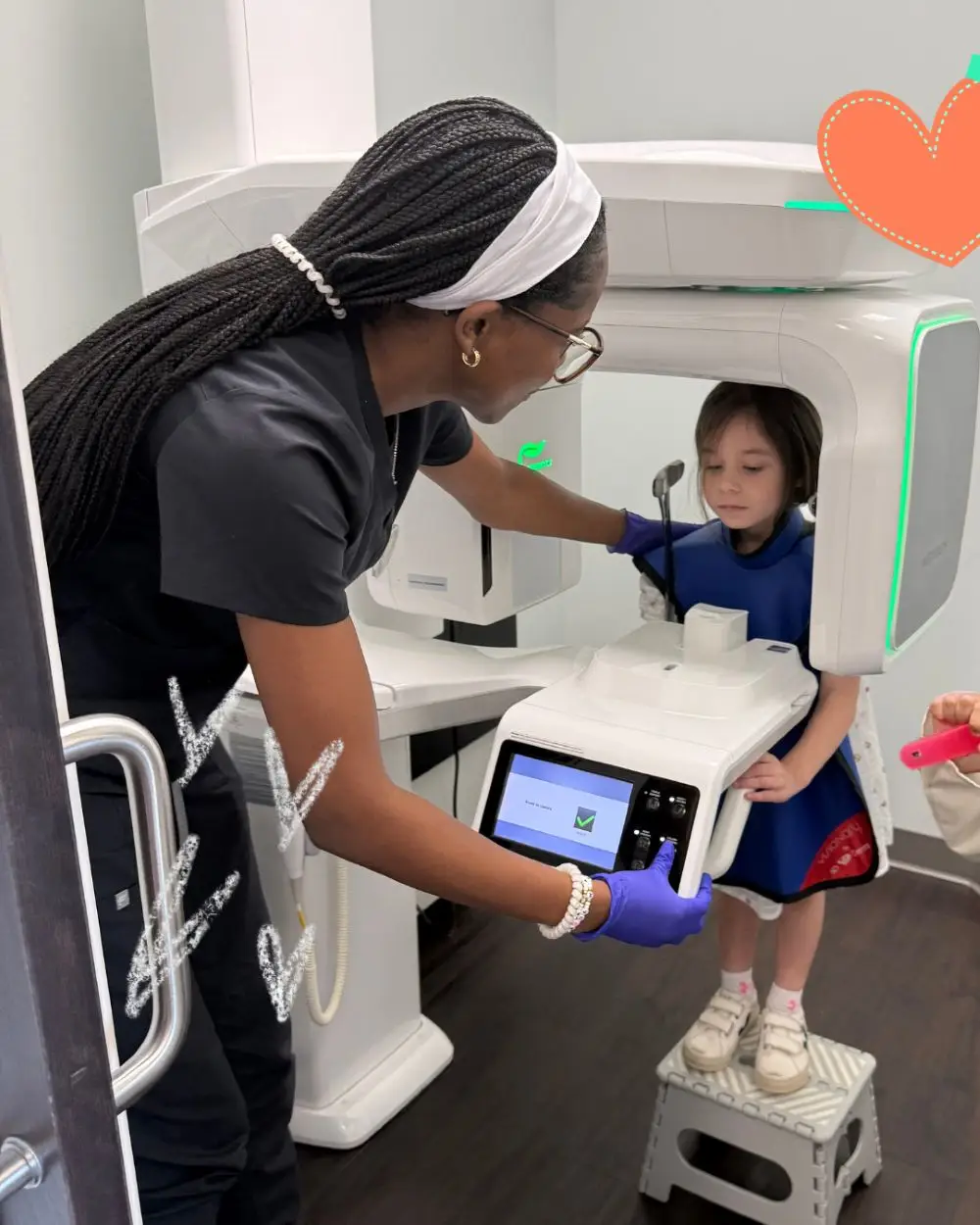
Every range on this page is exactly that, a range. The only way to get a figure you can actually plan around is a quick exam and a 3D scan, which tells us about the bone and what your case really needs. We will give you the full cost in writing, walk through what insurance and Brush365 do to it, and lay out the payment options before you decide anything.
If you are in Mint Hill, Matthews, Indian Trail, or anywhere in southeast Charlotte and you have been putting off a missing tooth because you did not know what it would cost, call us at (704) 323-7577. We will give you straight answers.